This project reimagines how Multiple Sclerosis patients
receive treatment in the comfort of their homes. By mapping the entire experience — from first awareness to ongoing follow-up — the work reveals how each role, process, and digital system contributes to patient wellbeing. The result is a future-state service blueprint that transforms fragmented medical procedures into a seamless and connected home-care journey.
This project reimagines how Multiple Sclerosis patients receive treatment in the comfort of their homes. By mapping the entire experience — from first awareness to ongoing follow-up — the work reveals how each role, process, and digital system contributes to patient wellbeing. The result is a future-state service blueprint that transforms fragmented medical procedures into a seamless and connected home-care journey.
The problem was that the home treatment for MS patients involves multiple actors — doctors, nurses, pharmacists, administrative staff, drivers, caregivers, and the patients themselves. Existing procedures were fragmented across physical, digital, and communication channels, creating inefficiencies and risks.
The project was led through a service design lens, working closely with a multidisciplinary group: doctors, nurses, pharmacists, administrative staff, digital system operators, drivers, and patient support teams. Each stakeholder played a specific role in shaping the blueprint, and the work involved gathering operational knowledge, validating assumptions, and aligning on a unified flow.
The main objective was to define a future journey that makes the service both human-centered and operationally sustainable.
This meant creating a shared understanding of responsibilities, identifying friction points, integrating digital systems more meaningfully, and supporting patient safety and autonomy at home.
Rather than simplifying the process superficially, the aim was to design with the full complexity of healthcare in mind—without letting that complexity overwhelm the people delivering or receiving the service.
To map the service accurately, the process involved tracing real workflows and system interactions. We held over 20 interviews with patients, caregivers, doctors and nurses.
Each step was unpacked—from application and screening, to scheduling and approvals, to treatment preparation, transportation, administration, monitoring, and follow-up.
Digital tools such as HIS, IDIKA, ERP modules, LIS, and e-prescription systems surfaced repeatedly throughout the flow. Notifications, reminders, approvals, test-sharing, and patient files all relied on systems working in parallel with staff decision-making. Informal touchpoints—like phone calls or caregiver interventions—were just as critical as the formal processes.
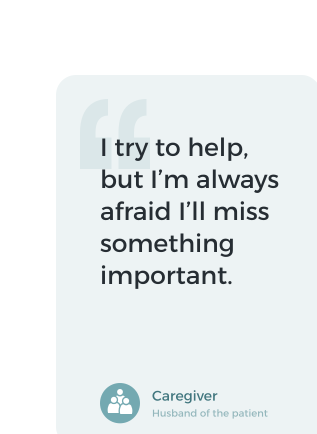
As the service was unpacked, patterns emerged. Coordination between roles relied heavily on timing and manual confirmation. Communication with patients was dependent on reminders and tests that had to align with treatment schedules. Emergency readiness needed to be embedded rather than treated as an exception. Caregivers quietly acted as continuity partners, even when not formally acknowledged in the system.
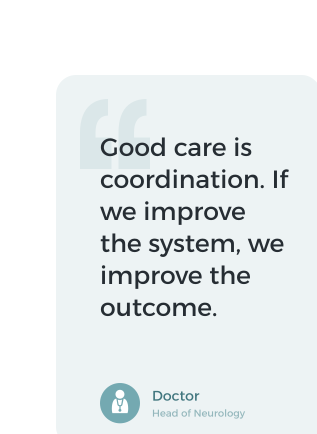
The service itself wasn’t broken, but it was fragmented. Each actor was doing their part, yet the full picture was invisible to most of them. Creating that visibility—without overwhelming them—became a central design task.
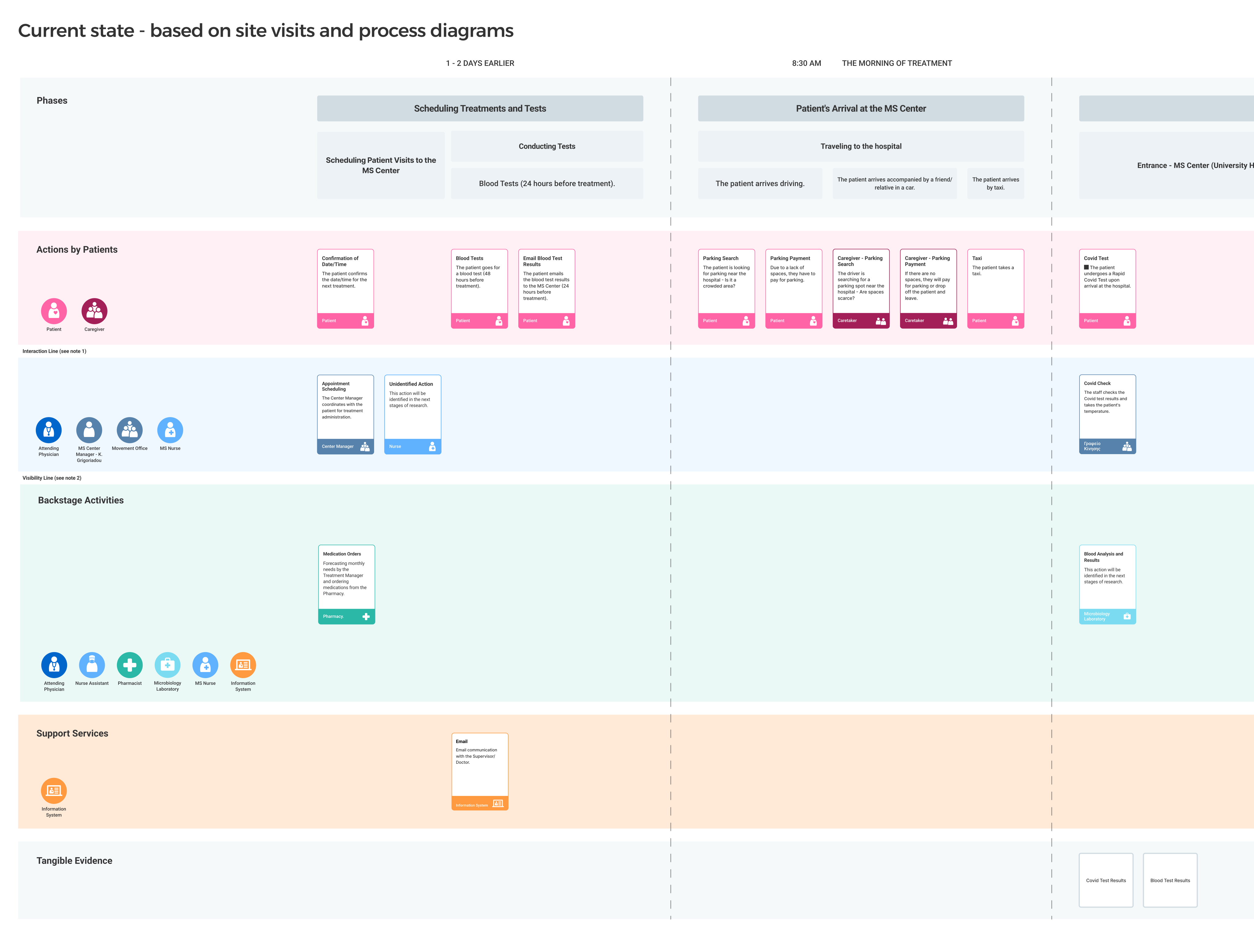
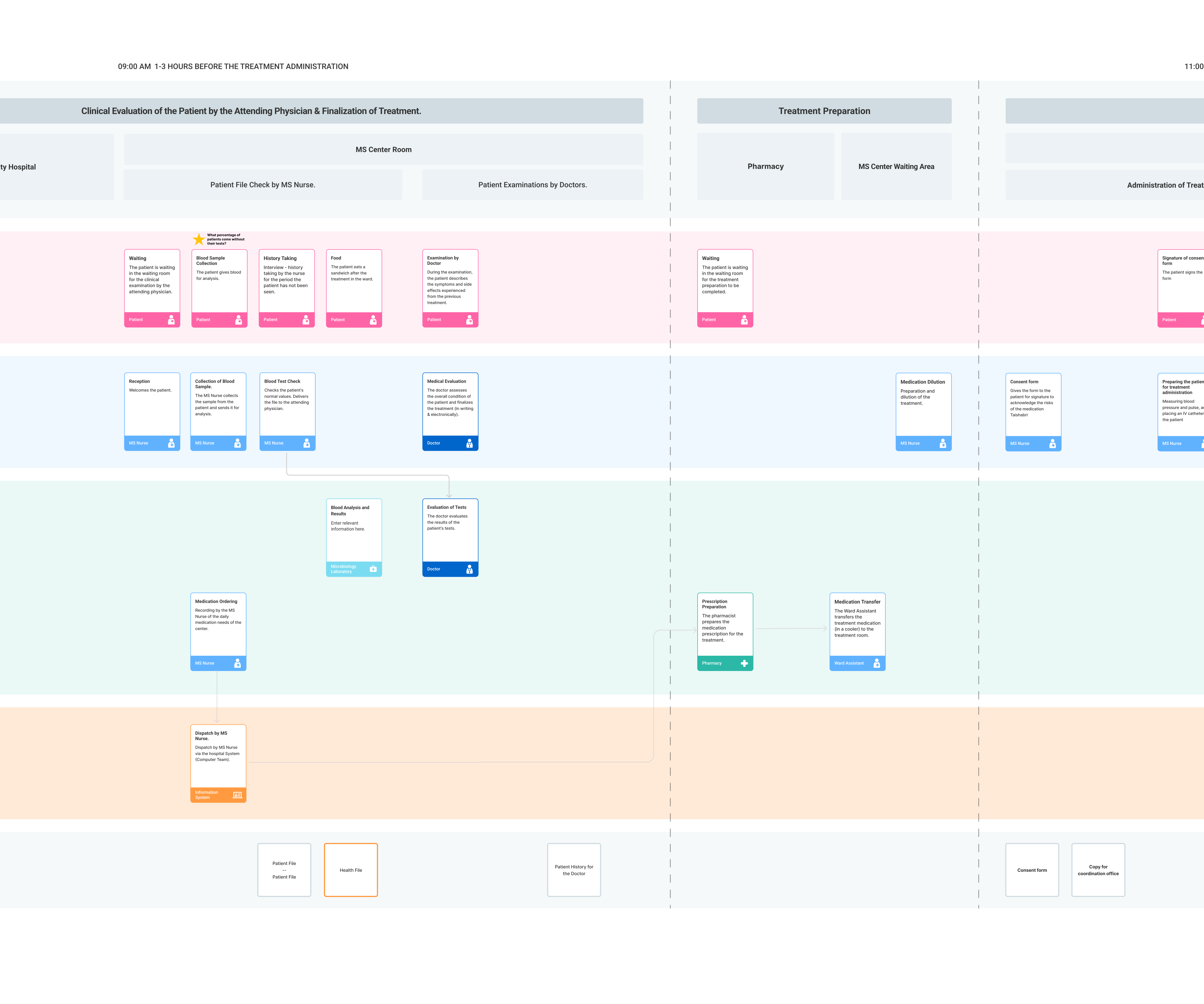
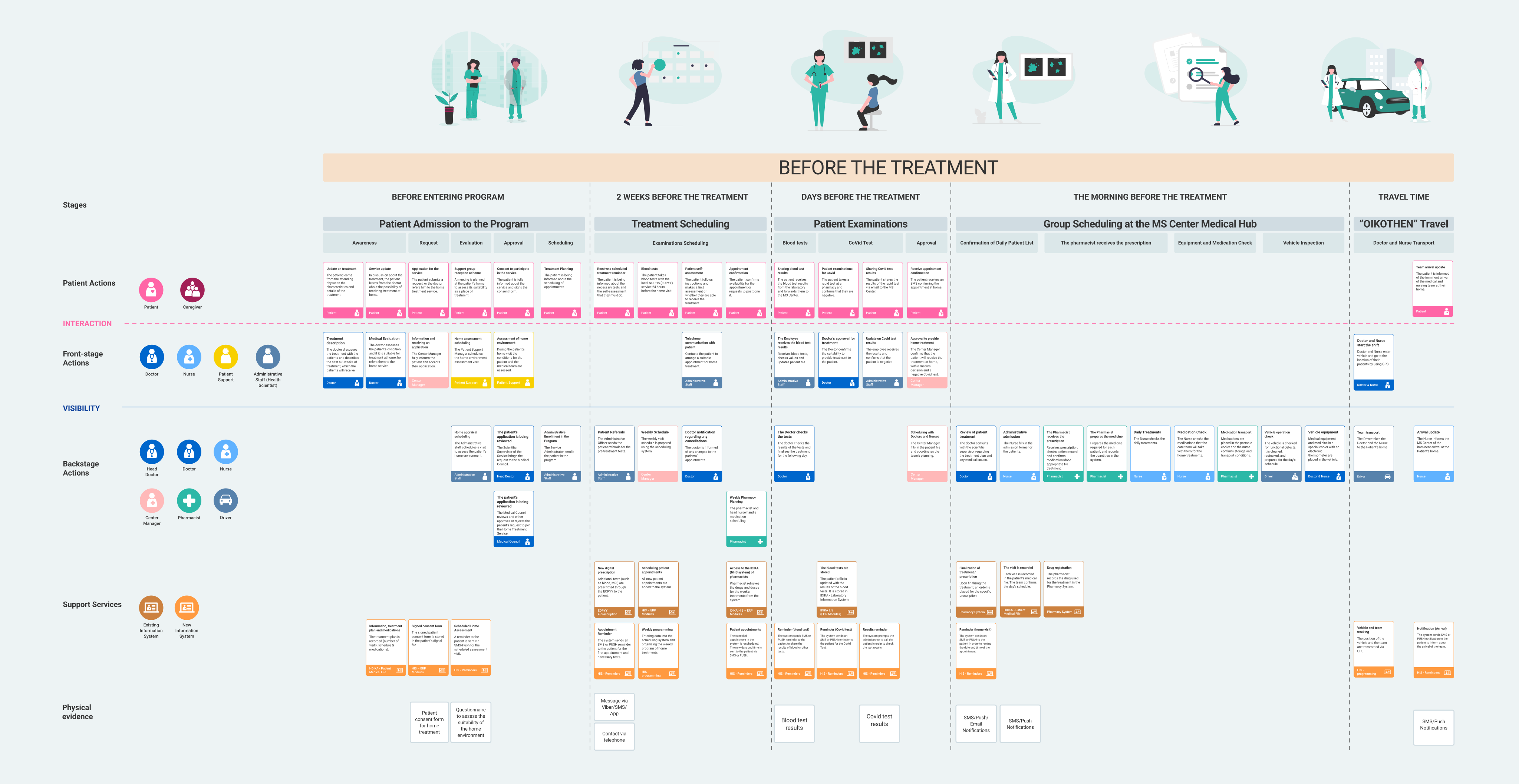
The journey begins well before a nurse arrives at a patient’s home. It includes patient awareness, application, eligibility screening, consent, test scheduling, prescription verification, and appointment confirmation. Administrative teams handle digital enrollment, home safety checks, and communication flows, while pharmacists and nurses prepare medication and equipment. Digital systems send reminders, store results, and log approvals, ensuring each step is traceable.
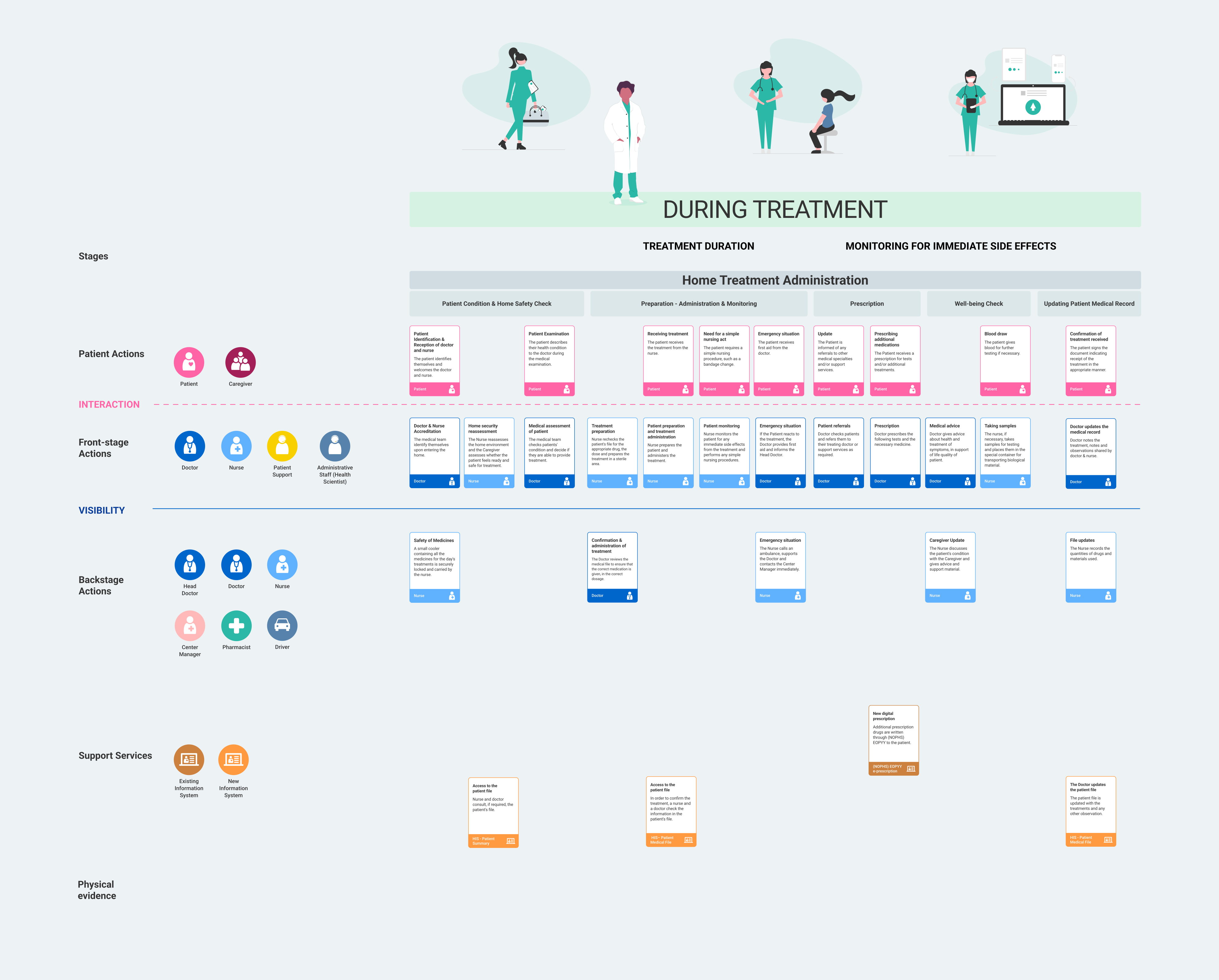
On the day of the appointment, staff arrival, patient identification, medication handling, and treatment administration are broken into distinct actions. The nurse prepares the environment and reviews the patient's file. The doctor confirms medication accuracy and suitability. Emergency procedures are defined and directly linked to physical and digital protocols. Caregivers may step in to support communication and aftercare. Transportation and equipment handling are treated as part of the service—not peripheral logistics. The driver's role becomes visible, with GPS updates, equipment checks, and coordination at both ends.
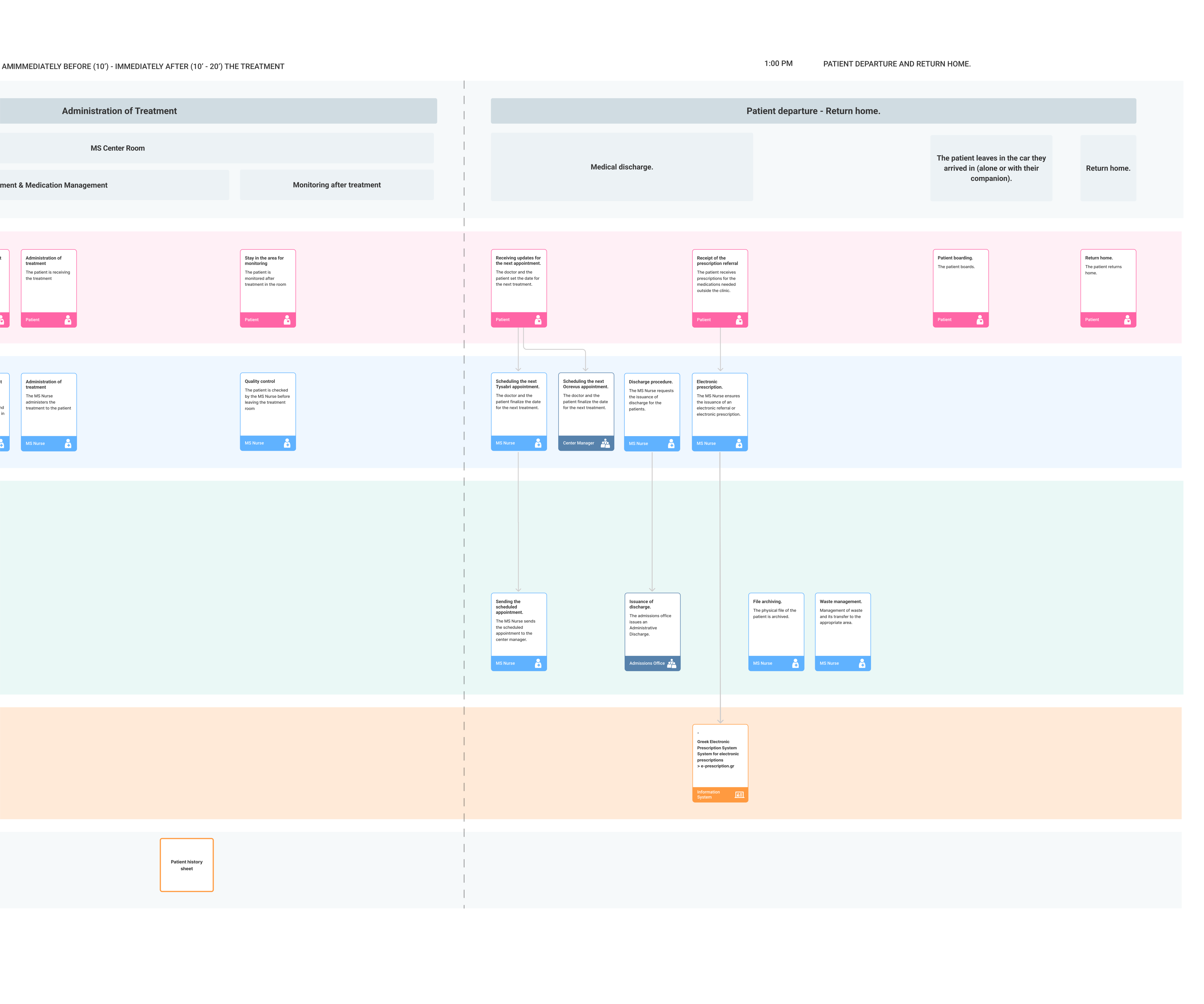
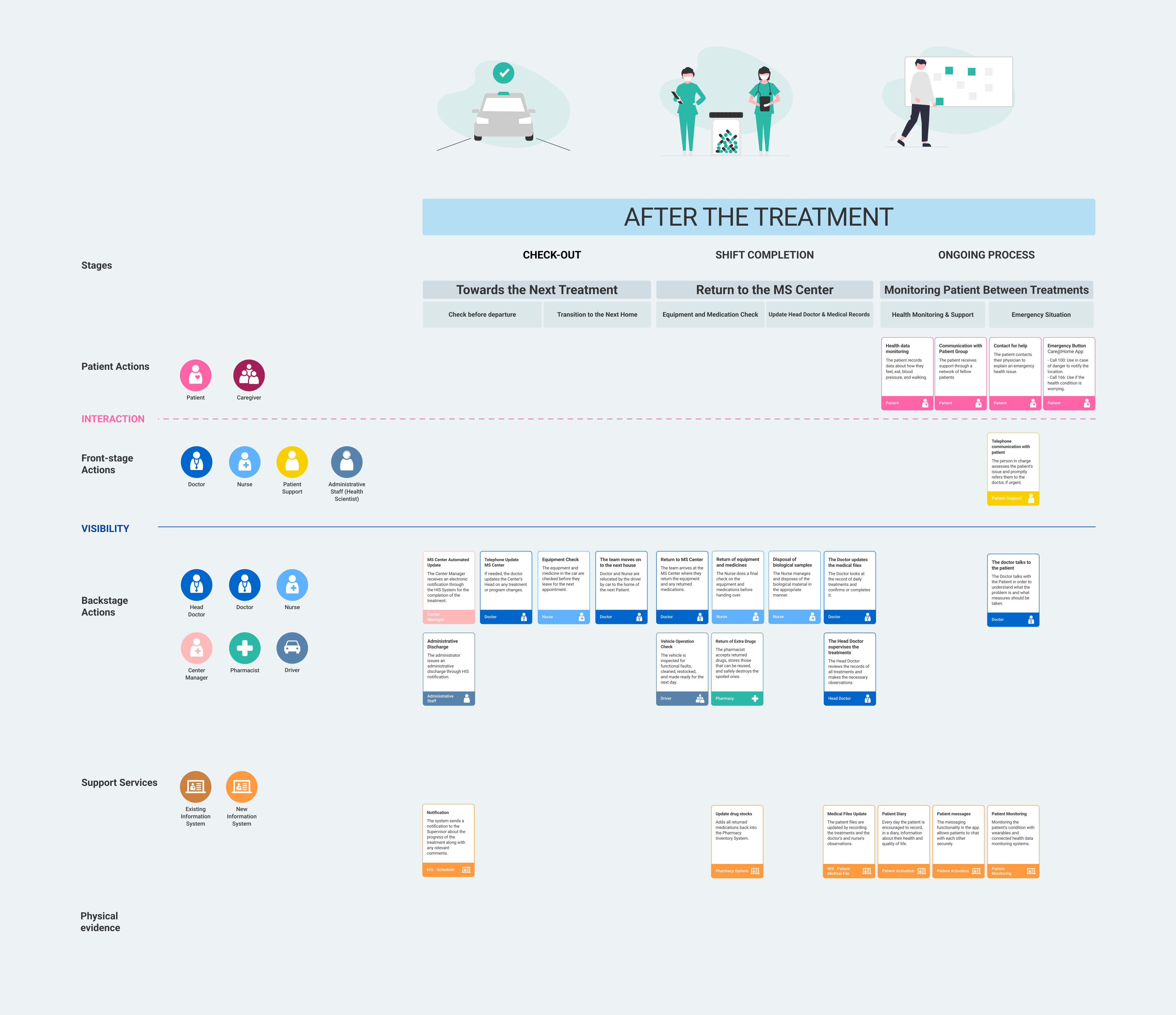
Once treatment is completed, the experience doesn’t end. Patient files must be updated, medications reconciled, equipment checked, and follow-up communication initiated. Administrative discharges, monitoring of side effects, new prescriptions, referrals, and future scheduling happen across multiple systems.
The future blueprint also introduces continuous patient monitoring through diaries, wearables, and app-based communication with peers and care teams.
The final blueprint visualizes front-stage actions, backstage coordination, support services, digital systems, and physical evidence. It serves as an orchestration tool: something stakeholders can reference, align around, and improve over time. Rather than a static diagram, it acts as a shared map of responsibility, timing, visibility, and communication. It shows where automation can replace friction, where emergency protocols intersect with routine care, and where caregivers and digital systems play unsung roles.
Designing for a system this complex required acknowledging every actor, not just the clinical ones. The service is only as strong as its weakest link—whether that’s a transport step, a digital gap, or a missing confirmation.
The blueprint opens the door to the next phase: testing with teams, integrating systems, prototyping communication flows, and building tools that make the process more resilient and adaptive.
Future work could translate the blueprint into digital dashboards, onboarding materials, operational guidelines, or a pilot in a specific region.
The work did not produce an interface or product—it produced clarity. The redesigned blueprint enables teams to see how their actions connect to the broader care experience. It creates a foundation for training, digital integration, pilot implementation, and process improvement.
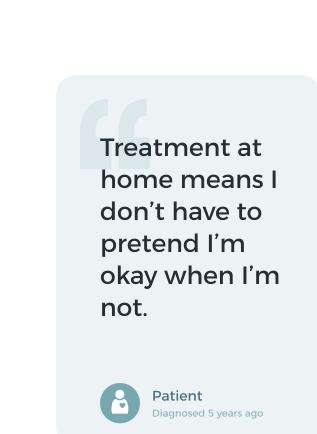
On the human side, the service offered patients a sense of hope — the reassurance that when traveling to the hospital becomes too difficult, care will still come to them in the comfort of their home. It eased the constant burden of “what if something happens?”, a fear and uncertainty they must navigate every day. By strengthening safety and giving them more control over aspects of their condition, the service helps make a lifelong challenge feel a little lighter to carry.
To this day, this project has been the most impactful and fulfilling project i have worked on. It confirmed all my readings, on how designing meaningful services can effect an individual or a community and i want to do more!